Skip to content
Quelle Occasion

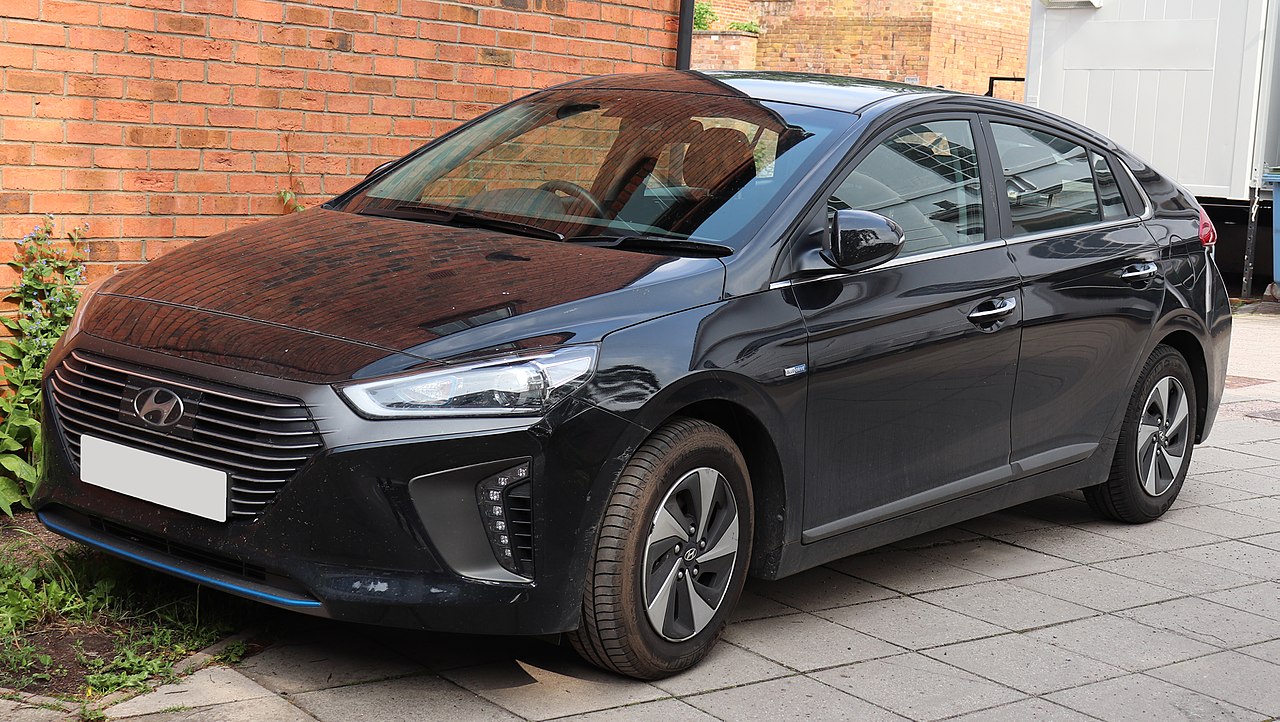
Photo: Vauxford, CC BY-SA 4.0, via Wikimedia Commons

Hyundai Ioniq I faults

4 faults documented by at least two sources, listed by version then by mileage at onset when known.

Good choice, check first
Reliability
4.5/5

4 known faults

Hybride 141

  1. DCT6 gearbox: jerking and clutch

    Severity 2/3 · Costly

    On hybrid Ioniqs, the DCT6 dual-clutch gearbox can show jerking or difficulty changing gear; Goodmecano cites degraded gearbox oil or a fault in the gearbox control unit. Carverif lists the gearbox and clutch among the reported problems and asks for a test when cold. One review published on Fiches-auto mentions a clutch that became noisy and then jerky. No frequency statistics have been found.

    Versions
    Hybride 141, Plug-in 141
    Onset
    not documented
    Repair
    not documented
  2. Recall: power relay under the rear seat (hybrids)

    Manufacturer recall

    NHTSA recall 18V-704: the main relay of the Power Relay Assembly, located under the rear bench, can have poor contacts and overheat, with a risk of fire. Mainly concerns 2017-2018 hybrid Ioniqs and some 2018 plug-in models. The recall was reopened in 2022 (22V-459) because the correct remedy had not always been applied. US campaigns: have the serial number checked with Hyundai France.

    Fixed free of charge by a dealer and not counted in the reliability score: ask for proof the work was done (invoice, or a VIN check at a dealer).

    Versions
    Hybride 141, Plug-in 141
    Onset
    not documented
    Repair
    not documented

Plug-in 141

  1. DCT6 gearbox: jerking and clutch

    Severity 2/3 · Costly

    On hybrid Ioniqs, the DCT6 dual-clutch gearbox can show jerking or difficulty changing gear; Goodmecano cites degraded gearbox oil or a fault in the gearbox control unit. Carverif lists the gearbox and clutch among the reported problems and asks for a test when cold. One review published on Fiches-auto mentions a clutch that became noisy and then jerky. No frequency statistics have been found.

    Versions
    Hybride 141, Plug-in 141
    Onset
    not documented
    Repair
    not documented
  2. Recall: power relay under the rear seat (hybrids)

    Manufacturer recall

    NHTSA recall 18V-704: the main relay of the Power Relay Assembly, located under the rear bench, can have poor contacts and overheat, with a risk of fire. Mainly concerns 2017-2018 hybrid Ioniqs and some 2018 plug-in models. The recall was reopened in 2022 (22V-459) because the correct remedy had not always been applied. US campaigns: have the serial number checked with Hyundai France.

    Fixed free of charge by a dealer and not counted in the reliability score: ask for proof the work was done (invoice, or a VIN check at a dealer).

    Versions
    Hybride 141, Plug-in 141
    Onset
    not documented
    Repair
    not documented

Electrique 120 (28 kWh)

  1. Recall: coolant in the EPCU (electric 2016-2017)

    Manufacturer recall

    Recall 17V-532: the aluminium housing of the Ioniq Electric's power control unit can have porosity allowing coolant to reach the circuit board, with a risk of power loss at high speed. Transport Canada specifies that hybrids are not affected. Production from November 2016 to March 2017 according to NHTSA.

    Fixed free of charge by a dealer and not counted in the reliability score: ask for proof the work was done (invoice, or a VIN check at a dealer).

    Versions
    Electrique 120 (28 kWh), Electrique 136 (38 kWh)
    Onset
    not documented
    Repair
    not documented
  2. Recall: high-voltage battery (electric)

    Manufacturer recall

    Recalls concern the high-voltage battery of the electric Ioniq for a risk of internal short circuit or thermal instability that could cause a fire. In 2021 Transport Canada asked for charging to be limited to 80% before the battery is replaced. A more recent campaign concerns Ioniq EVs built from June 2019 to July 2022, according to a European alert relayed by iautos. Have the campaigns checked using the serial number.

    Fixed free of charge by a dealer and not counted in the reliability score: ask for proof the work was done (invoice, or a VIN check at a dealer).

    Versions
    Electrique 120 (28 kWh), Electrique 136 (38 kWh)
    Onset
    not documented
    Repair
    not documented

Electrique 136 (38 kWh)

  1. Recall: coolant in the EPCU (electric 2016-2017)

    Manufacturer recall

    Recall 17V-532: the aluminium housing of the Ioniq Electric's power control unit can have porosity allowing coolant to reach the circuit board, with a risk of power loss at high speed. Transport Canada specifies that hybrids are not affected. Production from November 2016 to March 2017 according to NHTSA.

    Fixed free of charge by a dealer and not counted in the reliability score: ask for proof the work was done (invoice, or a VIN check at a dealer).

    Versions
    Electrique 120 (28 kWh), Electrique 136 (38 kWh)
    Onset
    not documented
    Repair
    not documented
  2. Recall: high-voltage battery (electric)

    Manufacturer recall

    Recalls concern the high-voltage battery of the electric Ioniq for a risk of internal short circuit or thermal instability that could cause a fire. In 2021 Transport Canada asked for charging to be limited to 80% before the battery is replaced. A more recent campaign concerns Ioniq EVs built from June 2019 to July 2022, according to a European alert relayed by iautos. Have the campaigns checked using the serial number.

    Fixed free of charge by a dealer and not counted in the reliability score: ask for proof the work was done (invoice, or a VIN check at a dealer).

    Versions
    Electrique 120 (28 kWh), Electrique 136 (38 kWh)
    Onset
    not documented
    Repair
    not documented

Price and diagnose repairs

Read fault codes

An OBD scanner plugged in under the steering wheel shows stored fault codes, even with warning lights off: useful during the test drive.

Parts and maintenance

Compare prices of parts for the Hyundai Ioniq I (timing, brakes, filters) to estimate the repairs to plan for.

← Back to the Hyundai Ioniq I guide