
Photo: Herranderssvensson, CC BY-SA 3.0, via Wikimedia Commons Photo: M 93, CC BY-SA 3.0 de, via Wikimedia Commons Photo: M 93, CC BY-SA 3.0 de, via Wikimedia Commons Photo: Dinkun Chen, CC BY-SA 4.0, via Wikimedia Commons
Verdict
Large family car, very well protected (5 stars at Euro NCAP in 2017) and spacious: 490 L boot in the Grand Sport saloon, 560 L in the Sports Tourer estate. The diesels combine several documented weak points (timing chain, EGR, AdBlue, a fire-risk recall on some 2.0 engines), while the 1.5 Turbo petrol is less often reported. A complete service history is essential.
- Reliability
- 2.5/5
- Indicative prices
- €10,100 – €16,700
- Monthly cost
- €372
- Euro NCAP
- 5/5
Which version to choose
Versions to favour: 1.5 Turbo 165.
1.5 Turbo 140 BVA
Petrol · Automatic · 140 hp · Crit'Air 1
1.5 Turbo petrol with 140 hp, automatic gearbox (owner testimony on Fiches-auto).
1.5 Turbo 165
✓ RecommendedPetrol · Manual · 165 hp · 6.0 L/100 km · 136 g CO₂/km · Crit'Air 1
1.5 Turbo petrol with 165 hp and 250 Nm, here with manual gearbox. Testimonies mainly report injection problems; fewer weak points than the diesels.
1.6 CDTI 136 BVA
Diesel · Automatic · 136 hp · Crit'Air 2
1.6 CDTI diesel with 136 hp and automatic gearbox. Timing chain to check: the original tensioner is described as a weak point.
2.0 Diesel 170 EAT8
Diesel · Automatic · 170 hp · Crit'Air 2
2.0 diesel with 170 hp and EAT8 automatic gearbox. Cited as the choice for high-mileage drivers, but to be checked: chain, EGR, AdBlue, fuel recall.
Market prices
€10,100 – €16,700
Indicative range: 2017 to 2022, yearly medians of 135 online listings collected by iAutos (years with at least 3 listings).
Collected on 20 October 2026 from the sources below. Our own survey of listings, by year and mileage, will refine it.
Known faults
Timing chain (2.0 diesel 170 hp)
Severity 3/3 · SeriousOwners of the 2.0 diesel 170 hp report a noisy chain or tensioner, with rattles when cold or at idle beyond roughly 120,000 km. Testimonies on Fiches-auto describe a break in the chain linking the camshafts, causing engine failure (one case at 145,000 km). These are testimonies, not statistics.
- Versions
- 2.0 Diesel 170 EAT8
- Onset
- not documented
- Repair
- not documented
Timing chain tensioner (1.6 CDTI 136)
Severity 2/3 · CostlyOn the 1.6 CDTI, the original hydraulic tensioner is described as a design fault: oil can drain out when the engine is switched off. Car Reliability Report advises against buying a 1.6 CDTI without an invoice for a recent chain replacement. Fiches-auto also notes a noisy chain in testimonies.
- Versions
- 1.6 CDTI 136 BVA
- Onset
- not documented
- Repair
- not documented
Erratic injection (1.5 Turbo petrol)
Severity 2/3 · CostlyOwners of the 1.5 Turbo describe injection problems: injectors considered erratic, an engine that judders even after several injectors were replaced, and jerks. The samples are small (a few testimonies).
- Versions
- 1.5 Turbo 140 BVA, 1.5 Turbo 165
- Onset
- not documented
- Repair
- not documented
EGR valve clogging and failure (2.0 diesel)
Severity 1/3 · AnnoyingOn the 2.0 CDTI, soot from short journeys and low temperatures clogs the EGR valve; Autodoc advises replacing it at around 100,000 to 120,000 km or when fault codes appear. Car Reliability Report rates this problem as medium severity between 70,000 and 120,000 km.
- Versions
- 2.0 Diesel 170 EAT8
- Onset
- not documented
- Repair
- not documented
AdBlue system faults (diesels)
Severity 1/3 · AnnoyingCar Checker cites the AdBlue system as the number one recurring fault of the Insignia B 2.0 CDTI; Fiches-auto testimonies also mention AdBlue problems on the 1.6 diesel.
- Versions
- 1.6 CDTI 136 BVA, 2.0 Diesel 170 EAT8
- Onset
- not documented
- Repair
- not documented
Recall: fuel hose damaged by a bracket (2.0 diesel, 2016-2018)
Manufacturer recallA recall concerns Insignia B built from June 2016 to November 2018: the fuel hose can be damaged by contact with a bracket, which can cause a leak and a fire risk. According to Au7o, the 2.0 diesel engine is affected; the repair is free of charge. Check with an Opel dealer, using the serial number, that the recall has been carried out.
Fixed free of charge by a dealer and not counted in the reliability score: ask for proof the work was done (invoice, or a VIN check at a dealer).
- Versions
- 2.0 Diesel 170 EAT8
- Onset
- not documented
- Repair
- not documented
Manufacturer recalls
See the official list on RappelConso (new tab) (French government recall site: category “Automobiles et moyens de déplacement”, search “Opel Insignia”). A dealer for the brand can also check, using the vehicle identification number (VIN), that recalls have been carried out.
Real monthly cost
Fuel, insurance, maintenance and depreciation, excluding finance. Move the slider to match your mileage. How it is calculated
| Fuel or electricity | €148 |
|---|---|
| Insurance | €69 |
| Maintenance | €41 |
| Depreciation | €114 |
| Total per month | €372 |
⚠ Estimates to treat with caution
- NEDC consumption (older, more optimistic than WLTP) as no WLTP figure is published: fuel is probably slightly underestimated.
- Maintenance: published servicing price plus an estimated allowance for tyres and brakes.
- Depreciation estimated at 12% of the median price a year, as no year-by-year valuation is usable.
Calculation details (12,000 km a year)
- Fuel (petrol)€148
1.5 Turbo 165 version: combined consumption of 6 L/100 km, increased by 15% for real-world driving, at 2.14 €/L, for 1,000 km a month.
6 × 1.15 × 2.14 € × 10 = €148
Petrol price (SP95-E10): French national average on 7 October 2026.
- Insurance€69
Average monthly premium published for this model by insurance comparison sites (comprehensive cover when stated). Your premium depends on your profile.
- Maintenance€41
Servicing and wear parts (tyres, brakes) for 12,000 km a year, per month.
- Depreciation€114
Value lost in a year by a typical example, from the valuation gap between two years, per month.
Inspection checklist
Opel Insignia B — inspection checklist
Things to check
- Have an Opel dealer check, using the serial number, that the fuel hose recall (2016-2018) has been carried out.
- Diesel: listen to the timing chain when cold (rattle) and ask for the invoice for the tensioner or chain replacement if one was done.
- Diesel: have the fault codes read (EGR, AdBlue) and check there is no engine warning light or AdBlue message.
- 1.5 Turbo petrol: check for a steady idle, no juddering or jerks on acceleration, and no oil leaks.
- Check the operation of the window regulators and electronic functions (alarm, starting), and the watertightness under the passenger-side cup holder.
Questions to ask the seller
- Was the fuel recall carried out at Opel? Do you have proof?
- Has the timing chain or its tensioner been replaced, and at what mileage?
- Have there been any repairs to the EGR, AdBlue or injection, and do you have the invoices?
Test-drive tip: read the fault codes
A warning light that is off proves nothing: a fault may have been cleared just before the viewing. A Bluetooth OBD2 scanner, plugged in under the steering wheel and read on your phone, shows stored codes and whether all emissions readiness tests have run since the last reset.
Electric or hybrid equivalent
No direct electric or hybrid equivalent in our guides. Simulate combustion vs electric cost
Alternatives

Photo: Jakub "Flyz1" Maciejewski, CC BY-SA 4.0
Renault Talisman
I · 2015–2022
- Price
- €10,200 – €19,000
- Reliability
- 3/5
- Fuel types
- Petrol, Diesel
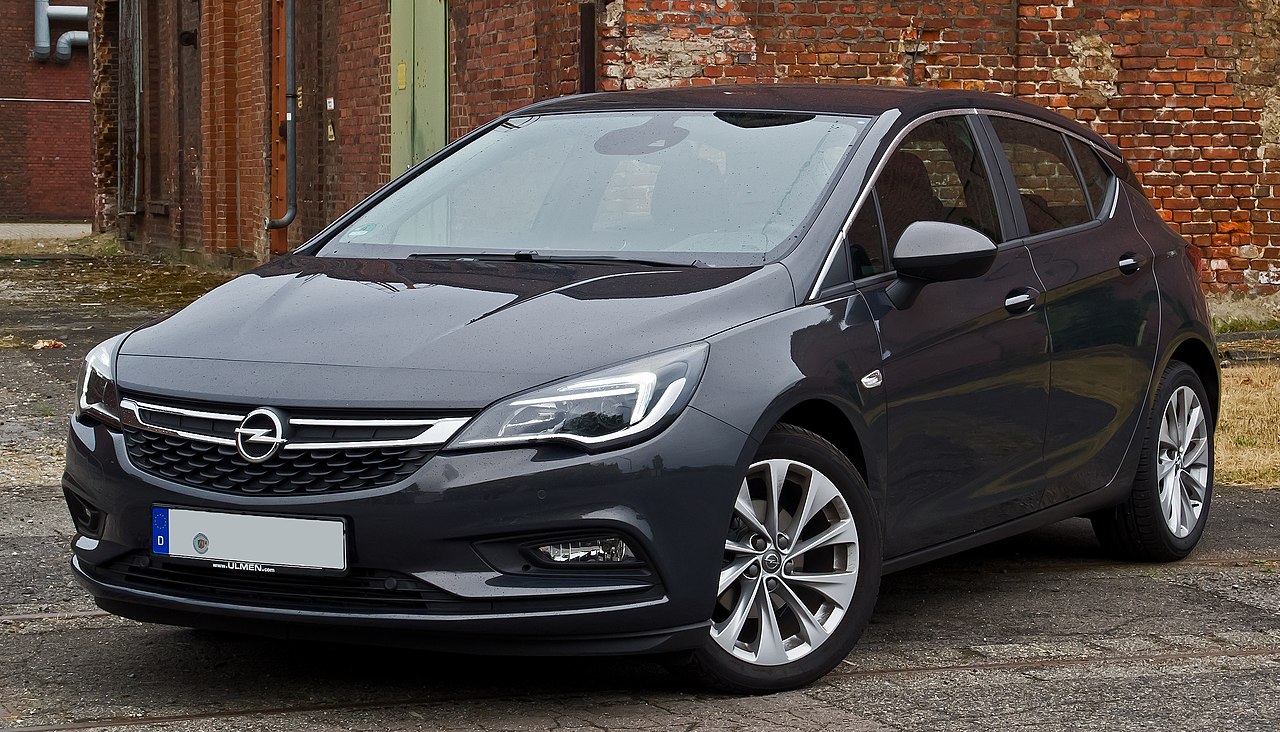
Photo: M 93, CC BY-SA 3.0 de
Opel Astra
K · 2015–2021
- Price
- €7,000 – €12,000
- Reliability
- 3/5
- Fuel types
- Petrol, Diesel

Photo: Vauxford, CC BY-SA 4.0
Ford Focus
IV · 2018–2025
- Price
- €10,800 – €20,000
- Reliability
- 4/5
- Fuel types
- Petrol, Diesel
Before you buy: check and equip
Check the history
Before paying, check the administrative status (lien, objection, declared claims) and the mileage recorded at the roadworthiness test.
Read fault codes
An OBD scanner plugged in under the steering wheel shows stored fault codes, even with warning lights off: useful during the test drive.
Parts and maintenance
Compare prices of parts for the Opel Insignia B (timing, brakes, filters) to estimate the repairs to plan for.
Insure the car
Insurance prices vary widely from one model to another: get a quote before signing.
Frequently asked questions
What is the Euro NCAP rating for the Opel Insignia B?
5 stars, awarded in 2017 to the Grand Sport and Sports Tourer versions (adults 93%, children 85%, pedestrians 78%, safety assist 69%). Euro NCAP states this rating expired on 1 January 2024.
What is the boot capacity of the Insignia B?
490 litres for the Grand Sport saloon, 560 litres for the Sports Tourer estate (Fiches-auto).
Which engine should I choose for a used Insignia B?
The 1.5 Turbo 165 hp petrol is cited less often for faults than the diesels, whose documented weak points are the timing chain, EGR and AdBlue. Whatever the engine, insist on complete servicing and proof of the fuel recall on the 2016-2018 2.0 diesels.
Found a listing?
Soon, we will analyse your Opel Insignia listing: price, mileage, watch points.
Get notified at launch